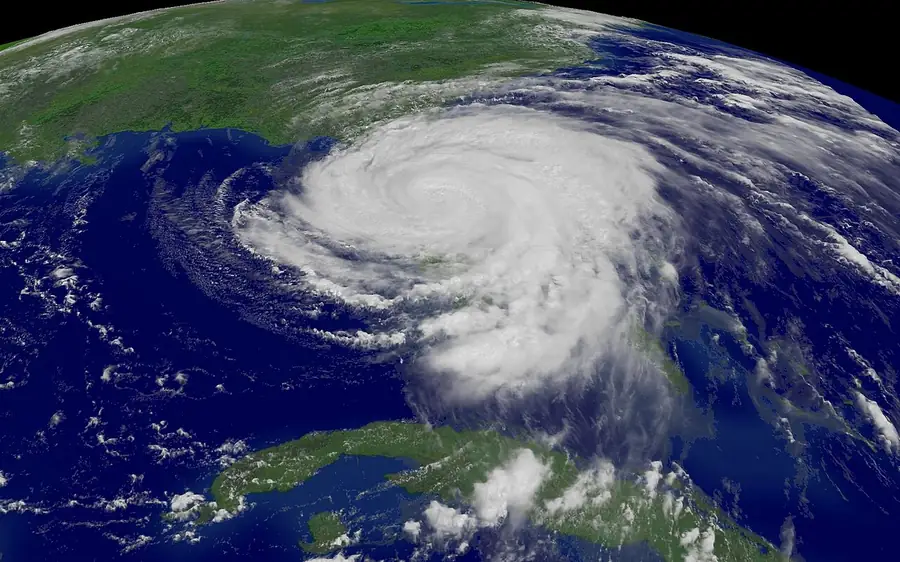
The Atlantic hurricane season in the United States typically runs from June 1 to November 30. In South Florida that is not theoretical: wind, heavy rain, storm surge, and power outages are real annual risks. This guide summarizes practical steps recommended by official agencies. It does not replace evacuation orders or real-time alerts—when a named storm approaches, follow local authorities and the National Weather Service.
1. Get information only from official channels
- NWS Miami forecasts and alerts: weather.gov/mfl
- State preparedness (Florida Division of Emergency Management): floridadisaster.org
- Broward County: broward.org
- City of Miramar: miramarfl.gov
Be wary of WhatsApp chains or unsourced screenshots. If a message asks for money, bank details, or “fines” for not evacuating, treat it as a possible scam.
2. Write a family plan
Agree on: who picks up children if schools close; where you meet if separated; how to notify relatives outside the area; what to do with pets (many shelters have rules). Write down emergency numbers and your insurance company phone.
3. Basic kit (several days)
Drinking water (federal guidance often cites at least one gallon per person per day), non-perishable food, medicines and prescription copies, flashlight and batteries, chargers, battery or crank radio, important documents in a waterproof bag, small bills of cash, hygiene supplies, and items for infants or older adults. Check quantities for your household size on Ready.gov / floridadisaster.org lists.
4. House and yard
Store or secure outdoor furniture, pots, and trash cans. Clear gutters if you can do so safely. Know in advance how to protect windows per local code and recommendations (shutters, certified panels, etc.). Do not improvise with adhesive tape as structural “protection.”
5. Insurance and photos
If you own or rent, review wind and flood coverage with your agent before a storm approaches. Photograph or video the property condition (useful for claims). Flood insurance is often a separate policy (for example through the National Flood Insurance Program); ask your agent.
6. If evacuation is ordered
Leave on the routes indicated. Do not drive through standing water. Take your kit, documents, and medicines. Note which shelter or family home you will use, if authorities allow.
7. After the storm
Do not touch downed wires. Report trees or poles through your city or electric utility channels. Document damage. For Miramar, customer service numbers are published on miramarfl.gov (954-602-4357 appears in municipal maintenance notices; confirm on the site).